

663Reid Street
Description
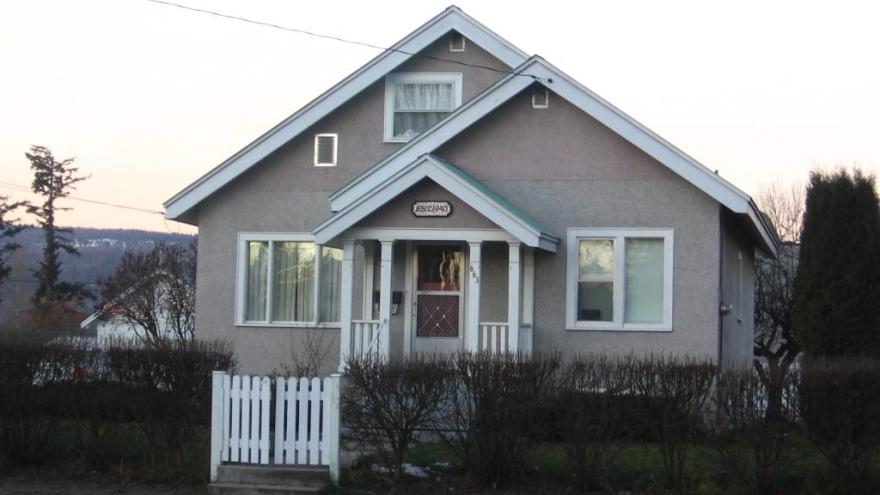
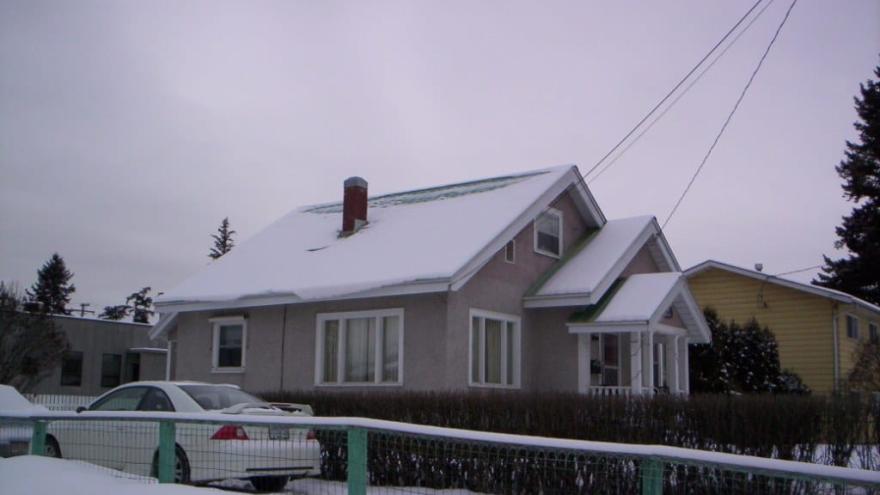
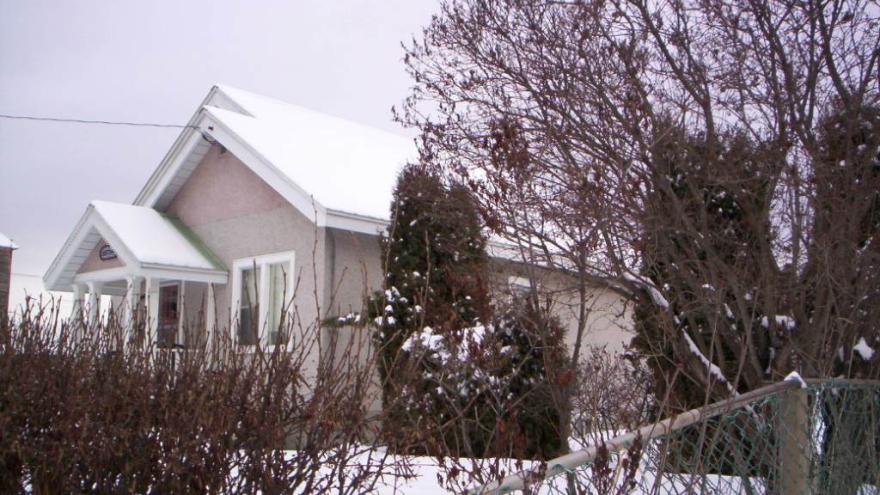
Charles Leonard Sr. House is an attractive one-and-a-half storey wood frame house built in 1939 located on the west side Reid Street in North Quesnel, BC. The historic place includes the building and the parcel of land it occupies.
Heritage Value
Charles Leonard Sr. House is located in North Quesnel which is an older residential neighbourhood in the city. Over the years, major renovations have occurred, however the house supports the other buildings on the street that have experienced change. While not in its original form, the house is a physical reminder of the people who shaped the development of Quesnel.
The house is named for Charles Leonard Sr. who lived here after he retired from farming on Brownmiller Road. Charles Sr. and Mary Leonard came to Quesnel from Scotland. Charles Sr. purchased a herd of dairy cattle and drove them north to Quesnel from Ashcroft. The Leonard Farm was a productive dairy and creamery which introduced quart and pint milk bottles to Quesnel. Charles also worked for the Department of Public Works building roads, streets, and ferries. At one time he worked at James Reid’s sawmill and at the Hudson’s Bay Company bottling rum into wooden kegs. He also hauled freight from Ashcroft and drove stage for the Inland Express Company between Quesnel and Barkerville. Mary Leonard was a member of the Church Ladies Aid and Hospital Auxiliary. Mary died at 86 and Charles at the age of 91. The house continued to be owned by members of the Leonard family for many years. The Leonard family is recognized for their contribution to the development of the community with a street named in their honour.
Character-Defining Elements
The character-defining elements of the Charles Leonard Sr. House include:
- the original square form is evident even though new materials were introduced in the 1960s;
- a charming one-and-a-half storey wood framed house typical of the houses built in Quesnel during the 1930s;
- an interesting roof line with three steeply pitched gabled roofs covering the main house, projecting façade and entrance way;
- a well defined façade through the symmetrical placement of the windows creating a triangle similar to its roof lines;
- a valuable contribution to the 1930s streetscape.